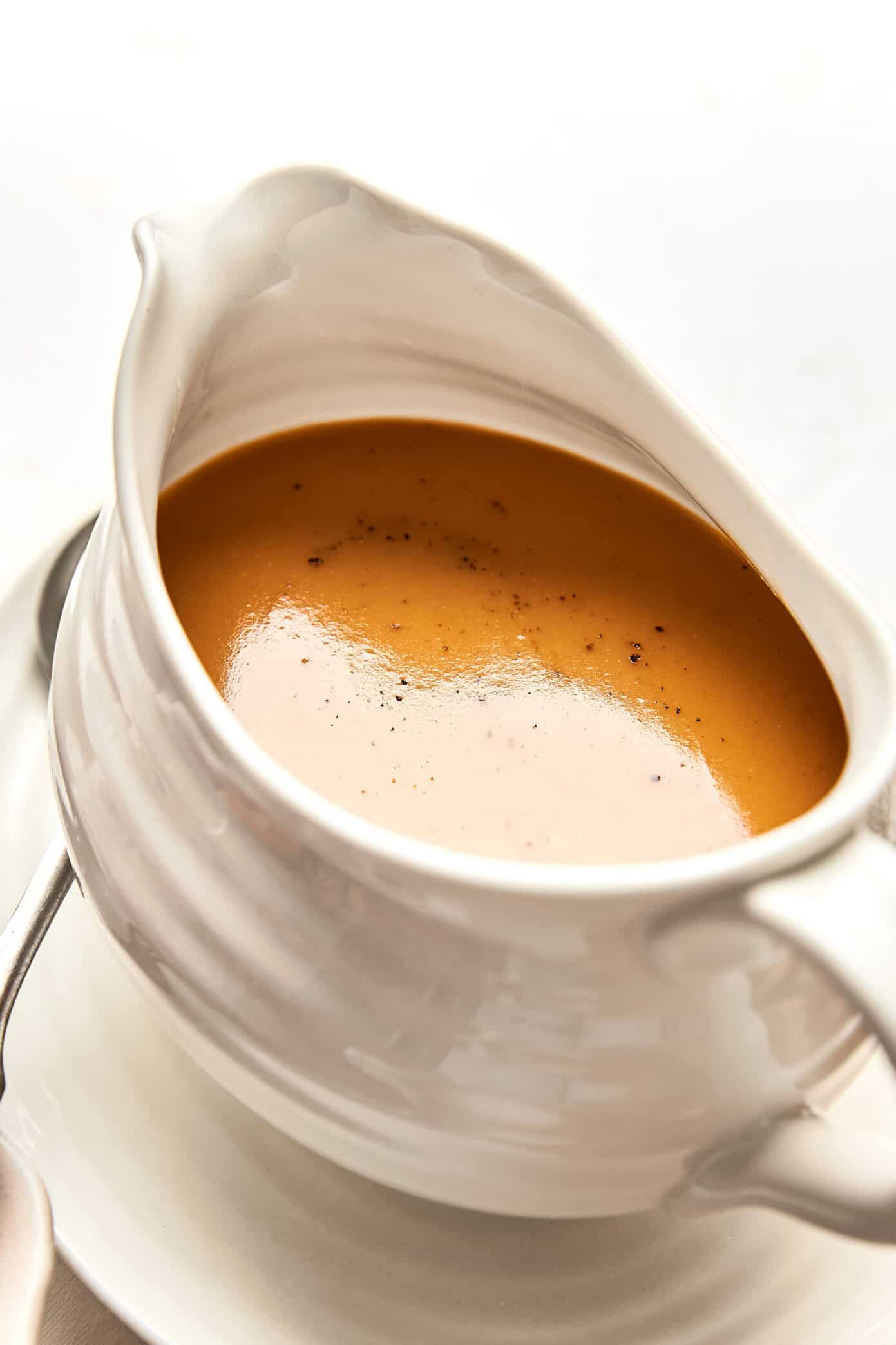
Easy Turkey Gravy: Delicious & Quick from Pan Drippings
There’s a certain magic to a homemade turkey gravy, especially when it’s crafted from the savory pan drippings of your beautifully roasted Thanksgiving bird. For many, gravy is the unsung hero of the holiday feast, tying together every element on the plate with its rich, velvety goodness. Yet, the thought of making it from scratch can often seem daunting, leading many to reach for a store-bought alternative. We’re here to tell you that a truly delicious, flavorful, and quick turkey gravy recipe, born from those precious pan drippings, is not only achievable but surprisingly simple. Forget the notion that homemade gravy is complicated or time-consuming. This turkey gravy recipe takes less than 20 minutes to prepare, transforming what you already have in your roasting pan into a culinary masterpiece. It’s fast, incredibly flavorful, and, dare we say, foolproof. Even if you only have a few tablespoons of drippings, that’s all you need to infuse your gravy with the deep, holiday essence of your turkey. This guide will walk you through every step, ensuring you achieve a warm, silky gravy that tastes like you spent all day perfecting it.Why Homemade Turkey Gravy is a Must-Have
When it comes to flavor, store-bought gravy simply cannot compare to the depth and richness of a homemade version. Here’s why utilizing those pan drippings for your foolproof turkey gravy recipe is not just a good idea, but essential:- Unrivaled Flavor Profile: Your turkey drippings are a concentrated treasure trove of flavor. Infused with all the herbs, seasonings, and browned bits from the roasting process, they provide an incredible base that no packet or jar can replicate. This natural infusion gives your gravy a complex, savory character without any extra effort.
- Surprisingly Simple & Quick: The most common misconception about homemade gravy is its perceived difficulty. Once you understand the basic principles, you'll realize it's an incredibly straightforward process that takes mere minutes to execute, often while your turkey is resting.
- Utilizes What You Already Have: Why spend extra money on pre-made gravies when you already possess the most flavorful ingredient right in your roasting pan? Pan drippings are a natural byproduct of roasting your turkey, making homemade gravy not only tastier but also more economical.
- Flexible Yield and Taste: Whether you roasted a small turkey or a massive one, this recipe is incredibly adaptable. You can easily adjust the amount of liquid to create enough gravy for a large crowd or a more intimate gathering, and customize the flavor with optional additions like giblet stock or herbs.
The Foundation: Pan Drippings, Fat, and Flour (The Roux)
At the heart of any great gravy made from pan drippings lies two critical components: the drippings themselves and the humble roux. Understanding these elements is key to achieving a truly spectacular velvety homemade turkey gravy. Pan Drippings: Liquid Gold After your turkey has finished roasting and rested, you'll be left with a beautiful collection of juices and browned bits at the bottom of the pan. This is your "liquid gold" – the pan drippings. As they cool slightly, the fat will naturally rise to the top, separating from the savory juices beneath. The Mighty Roux: Your Gravy's Thickening Secret A roux is a fundamental thickening agent in classical cooking, made by cooking equal parts fat and flour together. For turkey gravy, we ingeniously use the fat skimmed from your pan drippings as the fat component. This simple mixture is what gives your gravy its rich texture and helps prevent lumpiness. Here’s what you need to know about preparing your roux:- The 1:1 Ratio is Key: This is non-negotiable for a silky, lump-free gravy. You'll skim about 3-4 tablespoons of fat from the drippings and whisk in the exact same amount of all-purpose flour. This balanced ratio ensures proper thickening without becoming gummy or too thin.
- Skim the Fat Wisely: As your pan drippings rest, the fat will separate and rise to the top. It's easiest to skim while the drippings are still warm, as the separation is more pronounced. If you have a fat separator, now is the time to use it – it makes the process nearly foolproof. Aim to use only the necessary amount of fat for your roux; too much excess fat can make your gravy oily or greasy.
- Cook Your Roux Thoroughly: Once combined, cook the fat and flour together for 2 to 3 minutes, whisking constantly. You’re looking for a lightly golden, fragrant mixture. This crucial step removes the raw flour taste, allowing the roux to develop a smooth, toasty flavor that significantly enhances your gravy. You don't need to aim for a dark roux; a light golden color is perfect for turkey gravy.
Your Foolproof Guide to Making Turkey Gravy
Let's get down to the practical steps for crafting your quick and easy turkey gravy:Step 1: Prepare Your Pan Drippings
Once your turkey is out of the oven and resting (a perfect 30-minute window for gravy making!), carefully pour the pan drippings into a heat-proof measuring cup or a fat separator. Allow them to sit for a few minutes so the fat can rise to the top. Skim off about 3 to 4 tablespoons of the fat for your roux and set aside. Strain the remaining defatted drippings through a fine-mesh sieve into a separate bowl to remove any solids or browned bits. If you don't have enough drippings, you can supplement with good quality chicken or turkey stock.
Step 2: Create the Roux
In a medium saucepan, melt the reserved 3-4 tablespoons of turkey fat over medium heat. Once shimmering, gradually whisk in an equal amount of all-purpose flour (3-4 tablespoons). Continue to whisk constantly for 2-3 minutes until the mixture forms a smooth paste and turns a light golden color, emitting a nutty aroma. This ensures the raw flour taste is cooked out, laying the groundwork for a perfectly flavored gravy.
Step 3: Build Your Gravy
Slowly, in a thin stream, begin to whisk in your strained turkey drippings. It's helpful if your drippings (and any additional stock) are warm, as warm liquids blend more seamlessly with the roux, preventing lumps. Continue whisking as you add the liquid, incorporating it fully before adding more. This gradual addition is key for a smooth, lump-free gravy. As the liquid heats and integrates with the roux, you'll notice it beginning to thicken. If you want a deeper flavor or need more volume, you can also incorporate chicken or turkey stock at this stage. Bring the gravy to a gentle simmer, allowing it to bubble for a few minutes while whisking to achieve your desired thickness.
Step 4: Season and Serve
Taste your gravy and season generously with salt and freshly ground black pepper. Remember, turkey drippings can vary in saltiness depending on how you seasoned your bird, so always taste and adjust. For an extra layer of complexity, consider adding a dash of fresh or dried herbs like sage or thyme, or even a splash of dry white wine or sherry, as some chefs recommend. Once seasoned to perfection and at your ideal consistency, serve immediately over your carved turkey, creamy mashed potatoes, or savory stuffing.
Tips for the Perfect Gravy Every Time
Achieving that restaurant-quality gravy is within your grasp with these expert tips:- Warm Your Liquids: Always ensure your drippings and any additional stock are warm before adding them to the roux. Cold liquids can cause the roux to seize up and become lumpy.
- Whisk, Whisk, Whisk: Constant whisking, especially when adding liquids to the roux, is your best defense against lumps. If lumps do form, don't despair! You can press the gravy through a fine-mesh sieve or use an immersion blender for a silky smooth finish.
- Adjusting Consistency: If your gravy is too thick, simply whisk in a bit more warm stock or water until it reaches your desired pourable consistency. If it's too thin, you can either reduce it further by simmering gently or create a small slurry (1 tablespoon flour mixed with 2 tablespoons cold water) and whisk it into the simmering gravy, allowing it to thicken.
- Elevate with Giblet Stock: For an even richer, more old-fashioned flavor, and to increase the yield for a larger crowd, consider making a quick giblet stock. Simply simmer the turkey neck, giblets (excluding the liver), an onion quarter, a celery stalk, and a carrot in 4-6 cups of water or stock for about an hour. Strain, and use this flavorful liquid in place of or in addition to commercial stock.
- Herb Power: A few sprigs of fresh rosemary, thyme, or sage simmered in the gravy for the last few minutes can add wonderful aromatic notes. Remove them before serving.
